
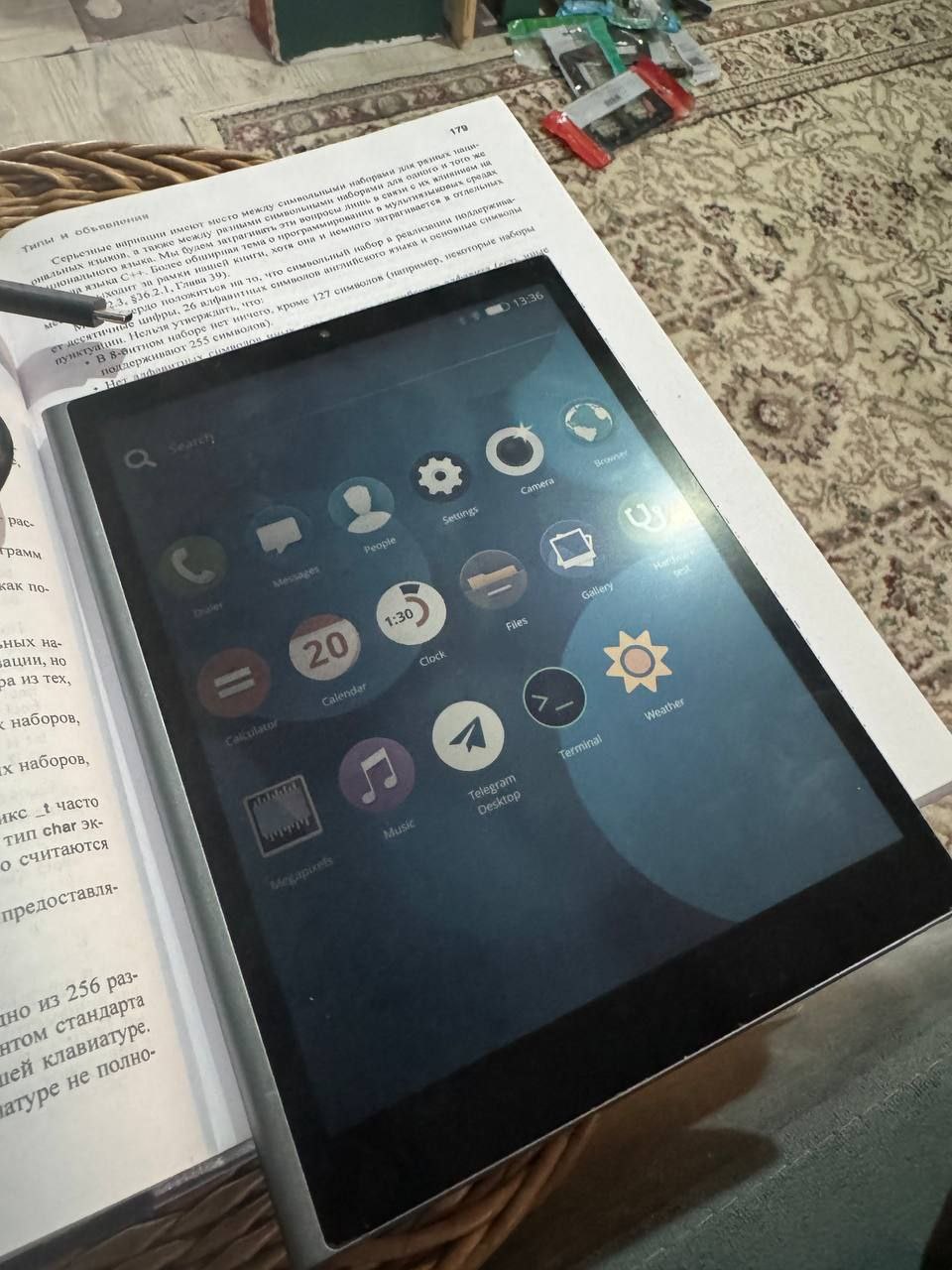
The progress is not as fast as all of us hope for, but development continues steadily. Recent work includes improvements to the device lock implementation, moving the platform towards openSUSE and OBS, various fixes and cleanups across Glacier components, Qt 6–related updates, and successful testing on new hardware.
Device lock improvements
There were several fixes and improvements in the device lock implementation. Glacier Welcome is started on first boot and allows the initial setup of the device lock code. The devicelock-plugin is a daemon that handles password verification. In addition, nemo-qml-plugin-devicelock provides an API for communicating with the daemon.
Glacier Home detects whether the service is running and locks the device if it is not. The Glacier Settings application includes a plugin that allows users to change the device lock password. The entire device lock flow was reviewed and thoroughly tested.
Moving towards openSUSE
It turned out that Manjaro Linux ships some outdated components, such as Meson, GObject Introspection, Mesa, and others. Because of this, fixing all dependencies just to rebuild Lipstick would require significant effort. Using openSUSE proved to be a more practical approach.
As part of this transition, several packages in OBS (Open Build Service) were updated, including: ngfd, libprolog, libtrace-ohm, ohm-plugin-misc, lipstick-glacier-home, systemd-user-session-target, and nemo-mobile-session, and others.
At the moment, installation is only possible manually. openSUSE provides a concept called patterns, which should eventually allow installation of all required packages and apply additional system settings automatically. Work on this is still in progress.
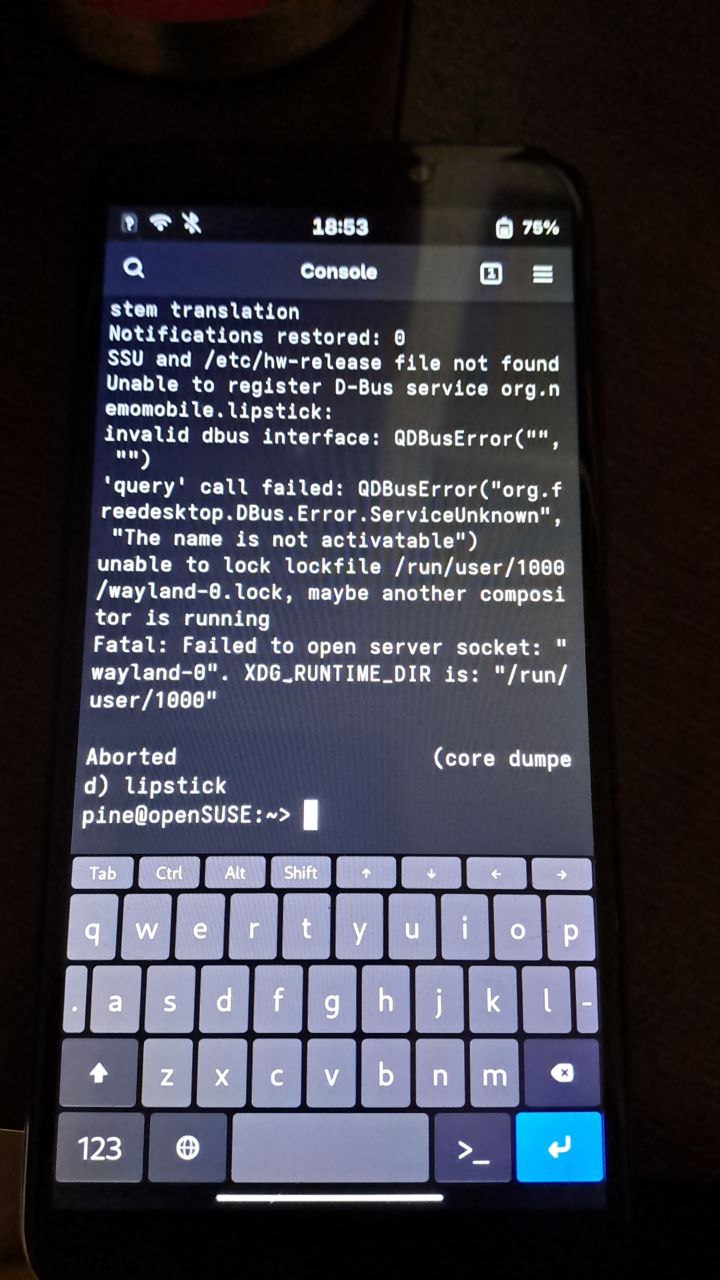
For debugging, the DEBUG_COMPOSITOR_IS_WINDOW environment variable was introduced, which allows the compositor to run in a window.
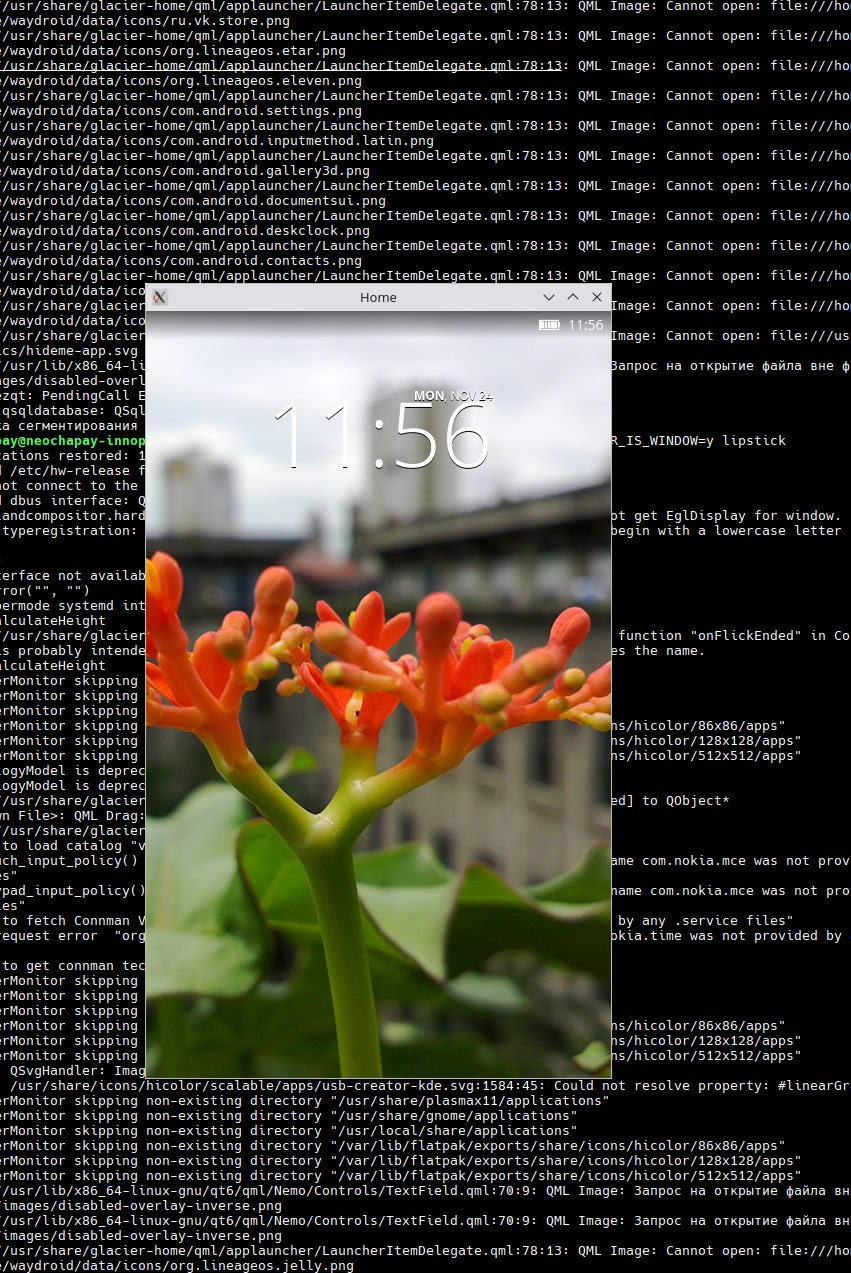
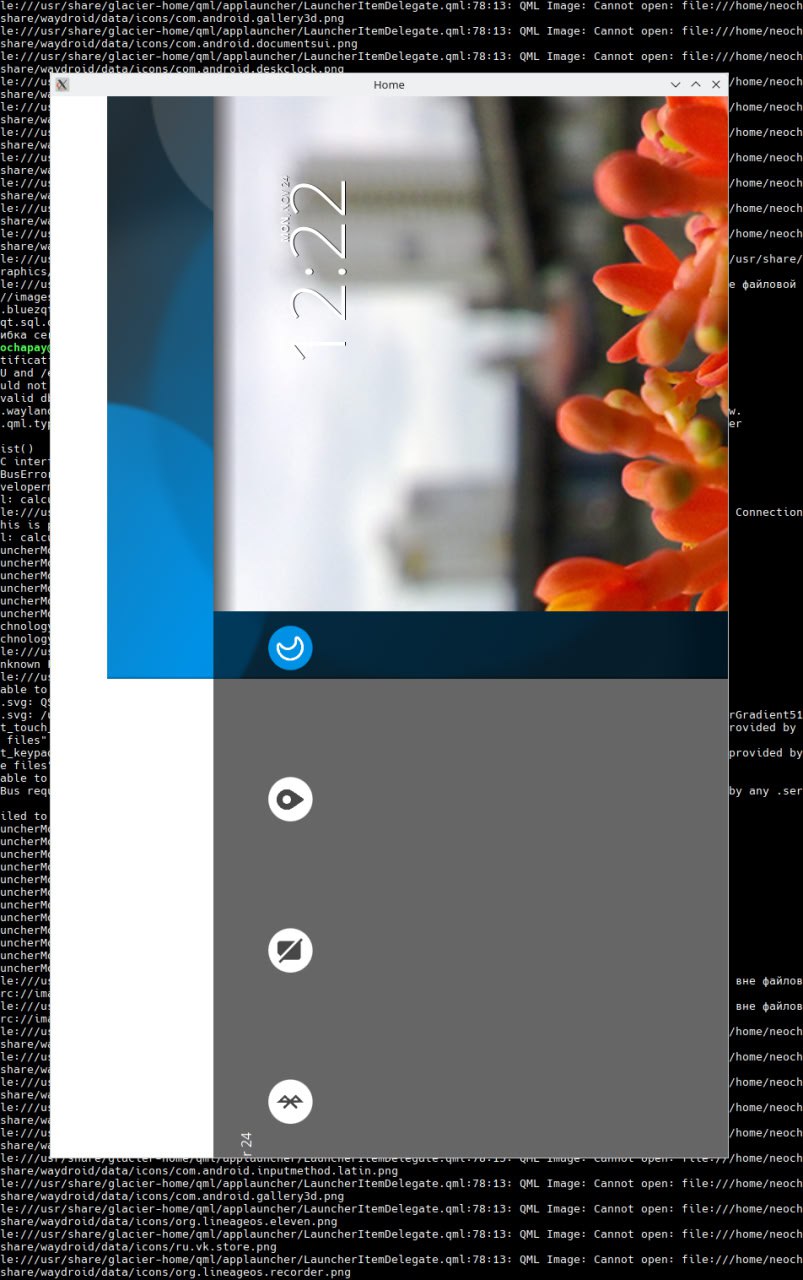
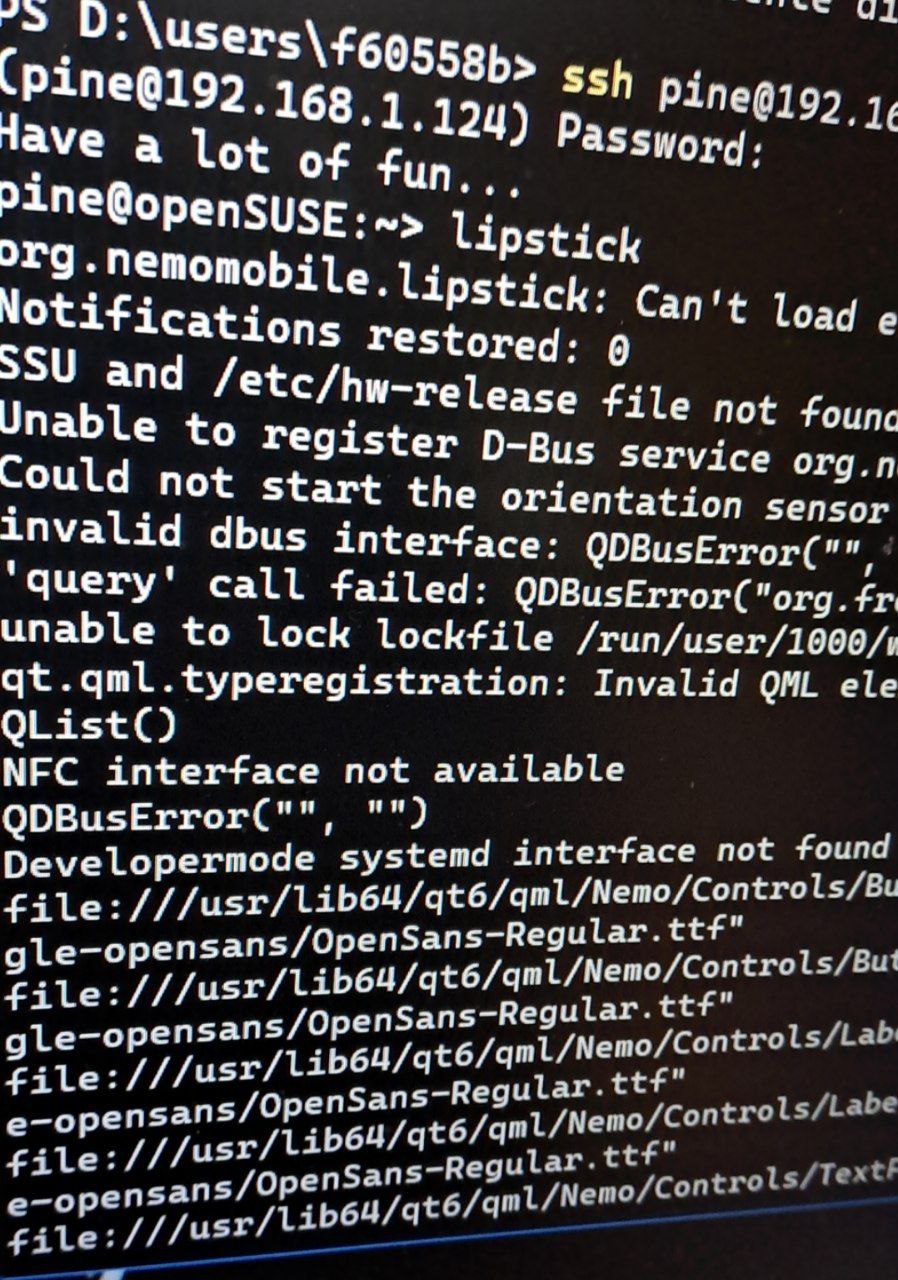
Currently, the installation process involves installing openSUSE JeOS (Just Enough OS), adding the OBS repository, and installing the required packages. After that, several manual configuration steps are still necessary.
These steps will likely include ensuring that the mce daemon is running, providing configuration files such as /etc/eglfs-config.json, and making sure the correct user groups exist (see
https://github.com/nemomobile-ux/arm-profiles and
https://gitlab.manjaro.org/manjaro-arm/applications/manjaro-arm-tools/-/blob/master/lib/functions.sh).
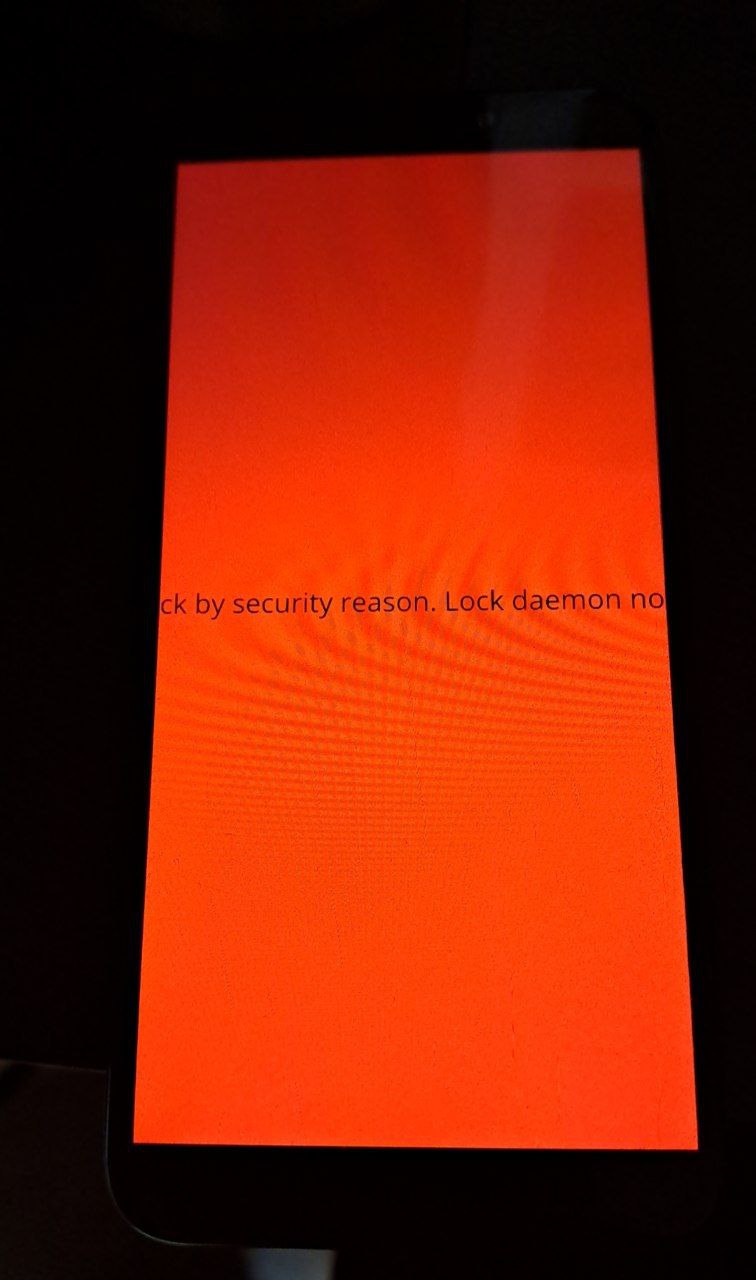
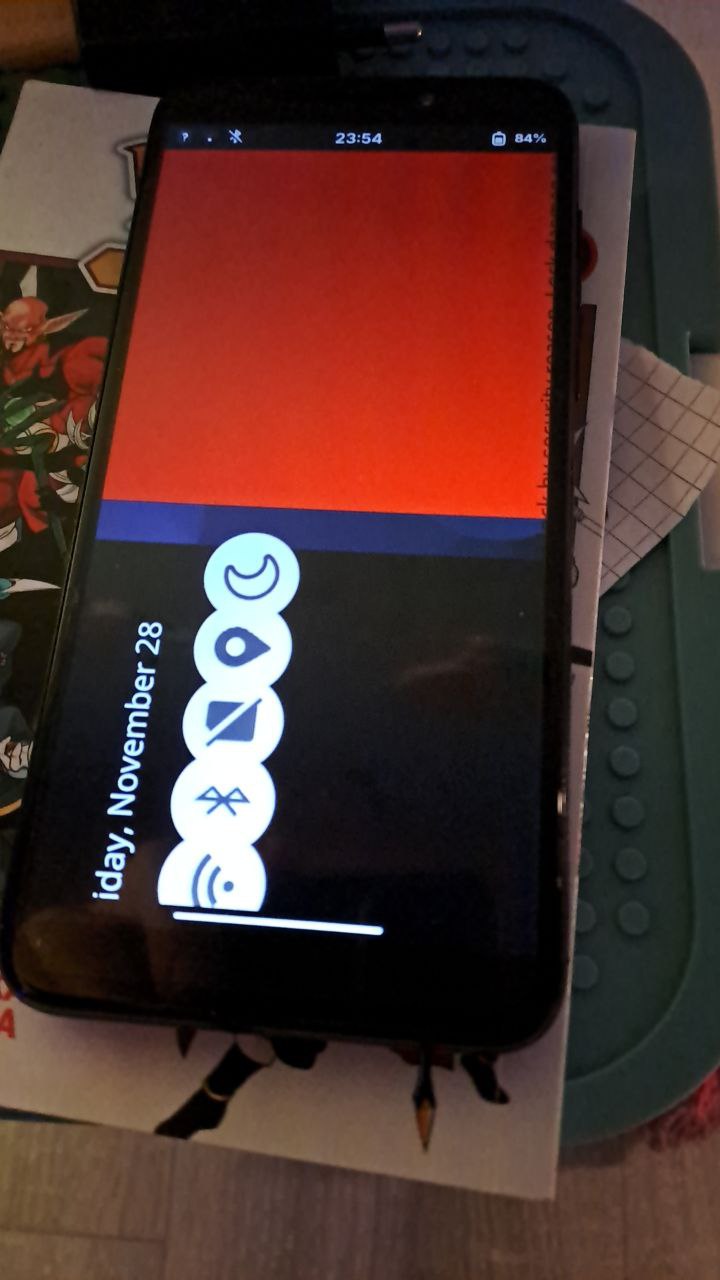
In the end, Lipstick was successfully brought up on openSUSE:
Other fixes
There were many important changes and fixes across the stack.
A memory leak in the Glacier Home search plugin was fixed.
Maliit was updated to the latest version, and the Nemo keyboard plugin was adjusted to the new Controls naming and updated to use the Qt 6 version of Maliit. As a result, the on-screen keyboard works again.
Drawer levels were removed from shared controls and from Glacier Settings to make the interface cleaner and simpler. Glacier Settings now also shows the Bluetooth plugin only when the BlueZ daemon is enabled, and the same applies to time settings when timed daemon is not running.
Glacier Weather was split into a daemon and a UI component, and the code was reorganized and cleaned up accordingly. This allows weather information to be updated in the background.
Finally, GeoClue was replaced by a custom implementation called locationd. The new implementation is cleaner and should enable more advanced features, such as support for Mozilla Location Services.
Last but not least, Nemo Mobile was successfully started on the Beresta devkit.
